Meeting the ranger unit
Rangers Week, 23 – 30 June
June 23, 2026
Safari is often sold as freedom. Out here, freedom is planned. A drive that feels easy depends on roads, rules and decisions most guests never see: where vehicles may go, how long they may stay, and what is left alone.
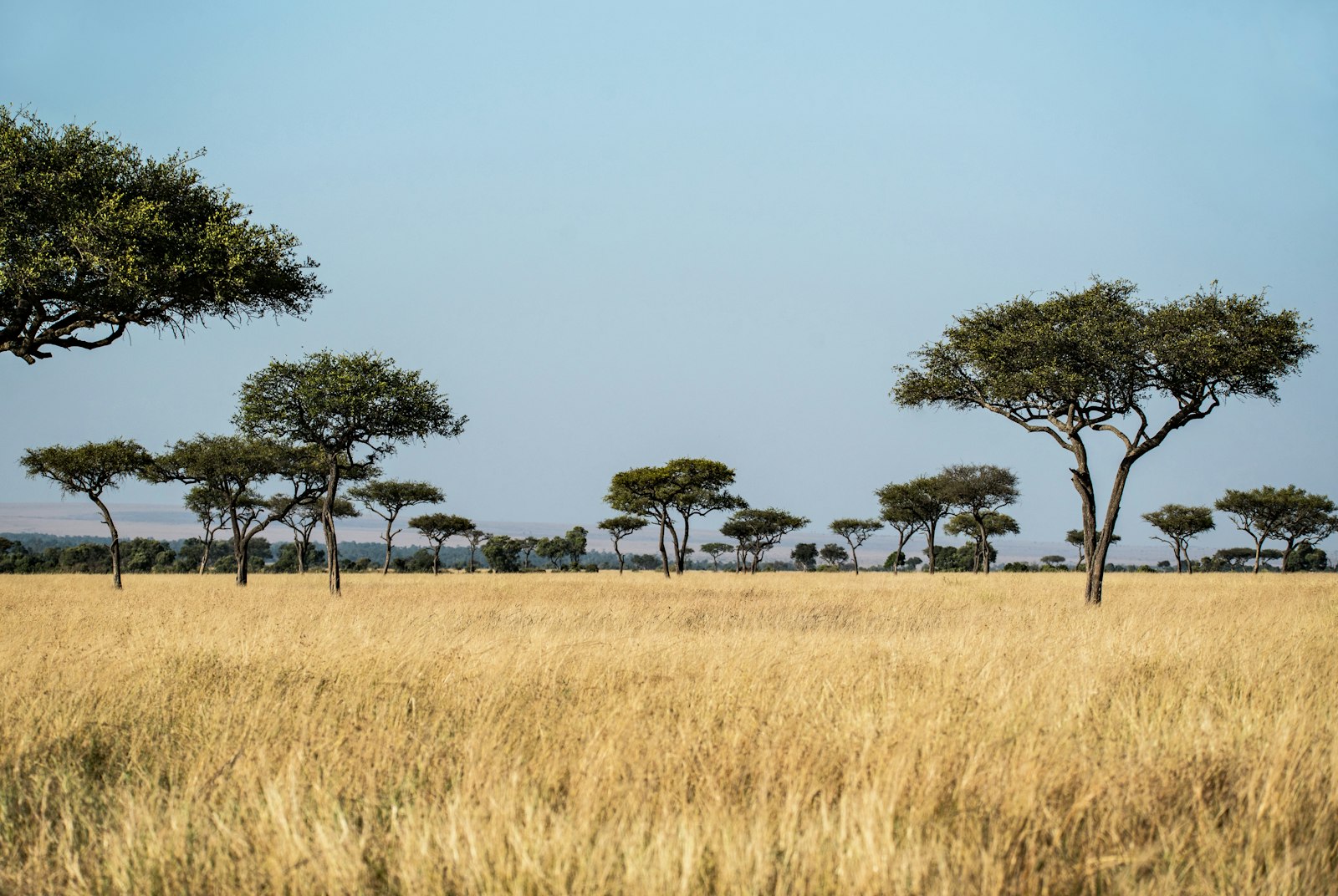
One of the biggest changes in our recent history came in 2019, when the fence between the reserves and the national park was taken down. Animals that had walked the fence line for decades began to move east and west with the water. The land started to behave like one system again.
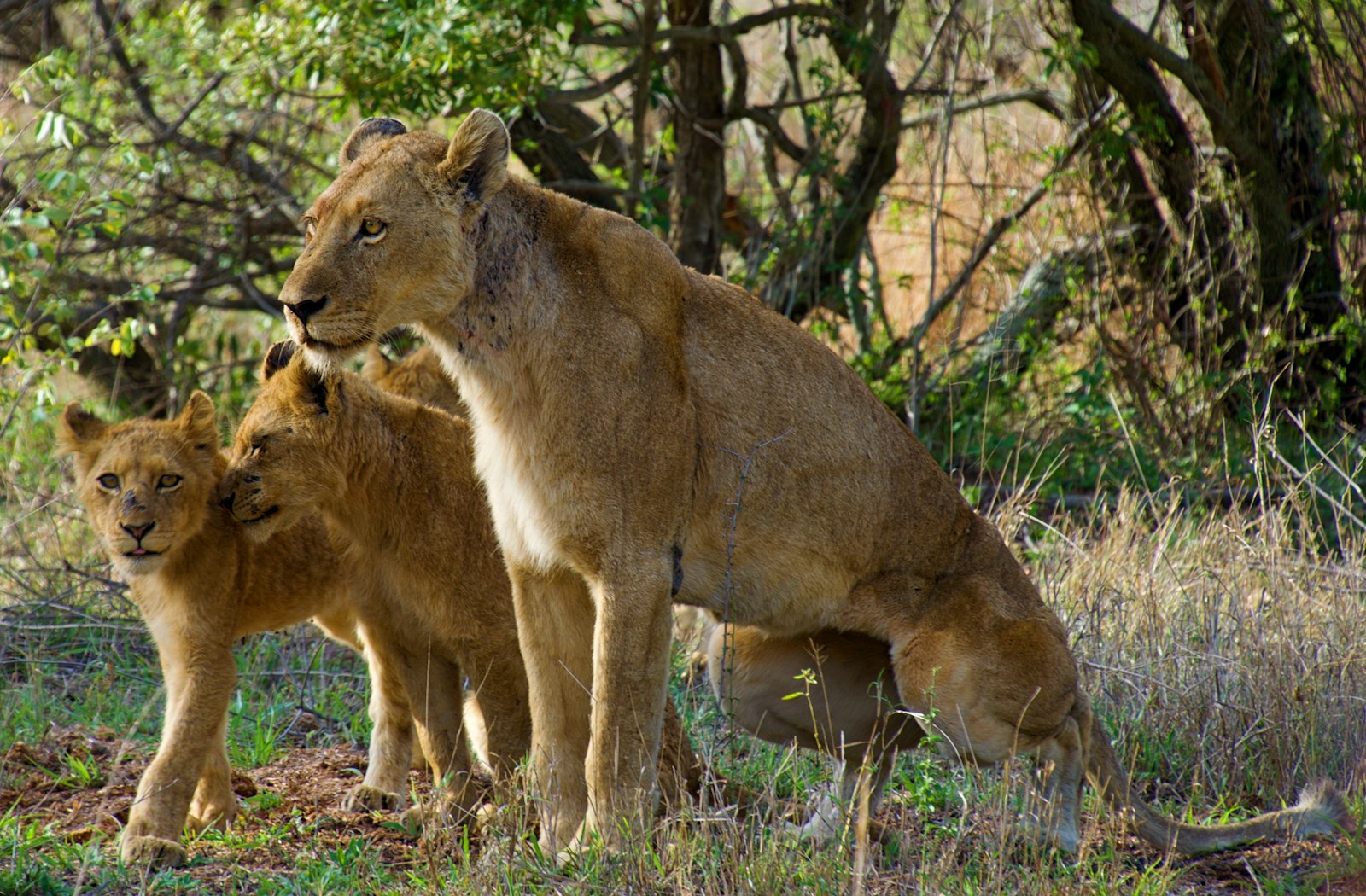
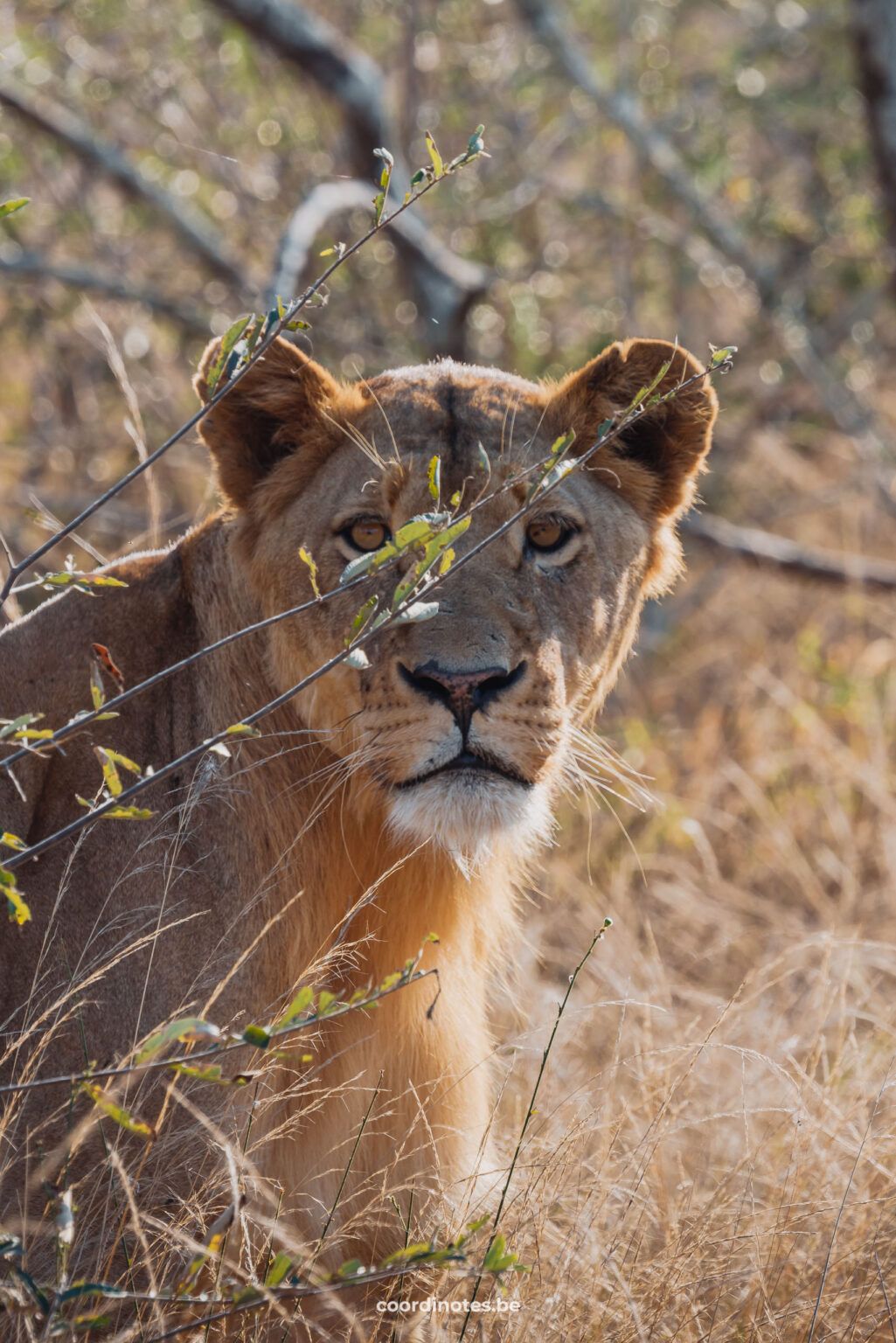
The ecological effect is easy to describe. Animals follow water and grazing. Remove the barriers and movement spreads out, pressure on any one area drops, and predators range further. Guides began to find lion and wild dog on ground they had not used in years.
For guests the change showed up as variety. Sightings became less predictable and more natural. A drive could turn up a herd of two hundred buffalo one day and nothing but tracks the next.
The other change was in ownership. In 2008 a land claim by the Mavhu community was settled, and the community became co-owner of both reserves. Decisions about the land are now taken by a joint board, and the lodges pay a fixed share of revenue into the community trust.
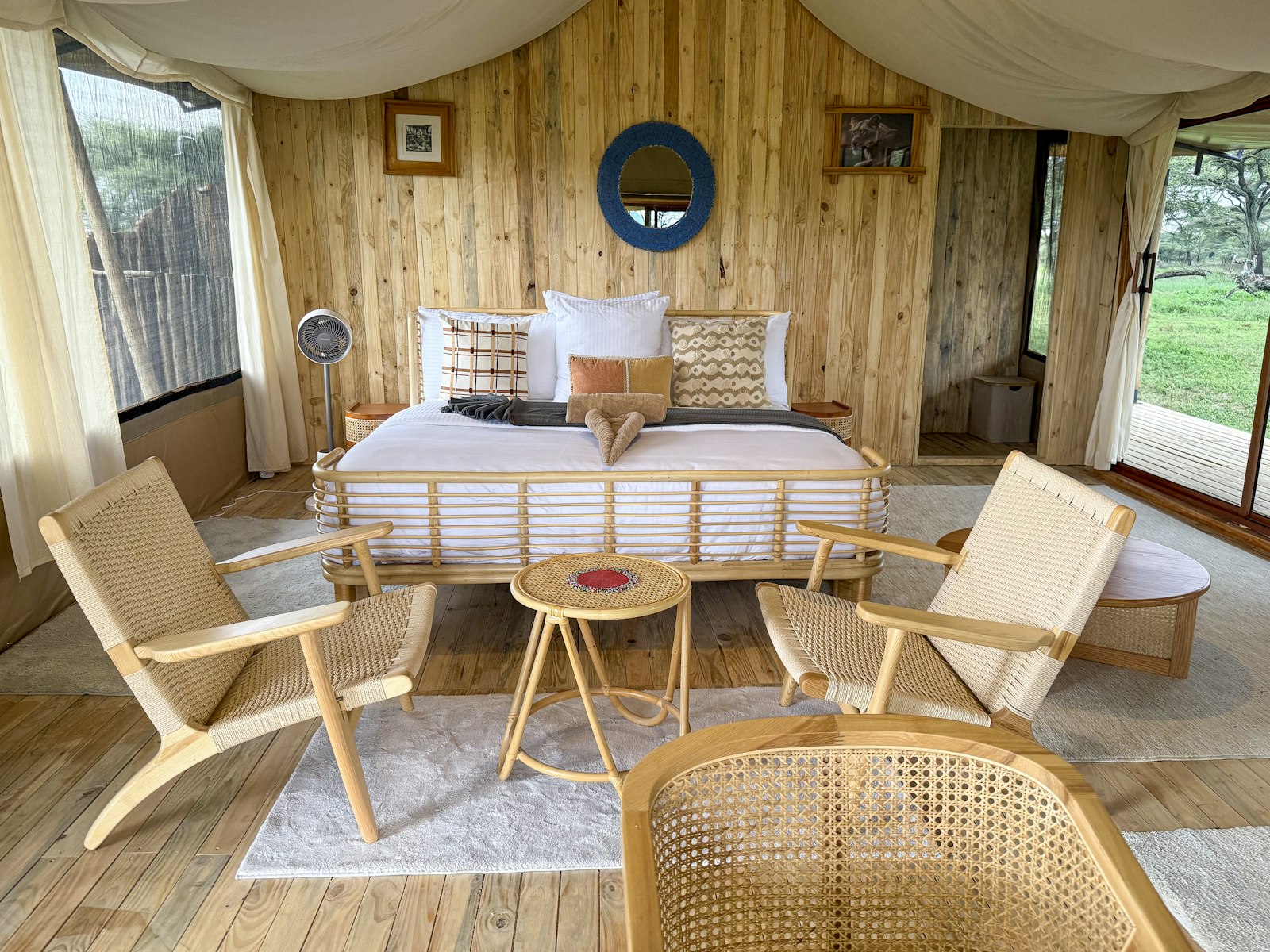
In 2024 Selowe River Lodge opened on the east bank. It was built with local stone and reclaimed timber, and most of its team was trained on the reserve. Its name, like the camp names before it, comes from the land.
Most guests will not notice any of this. They will notice a quiet drive, a leopard on a branch, a river that is still full in September. That is the point. The work is meant to stay out of sight.