Irving Gill

Pencil on a drawing set
Born:
April 26, 1870 — Tully, New York, US
Died:
October 7, 1936 — Carlsbad, California, US (age 66)

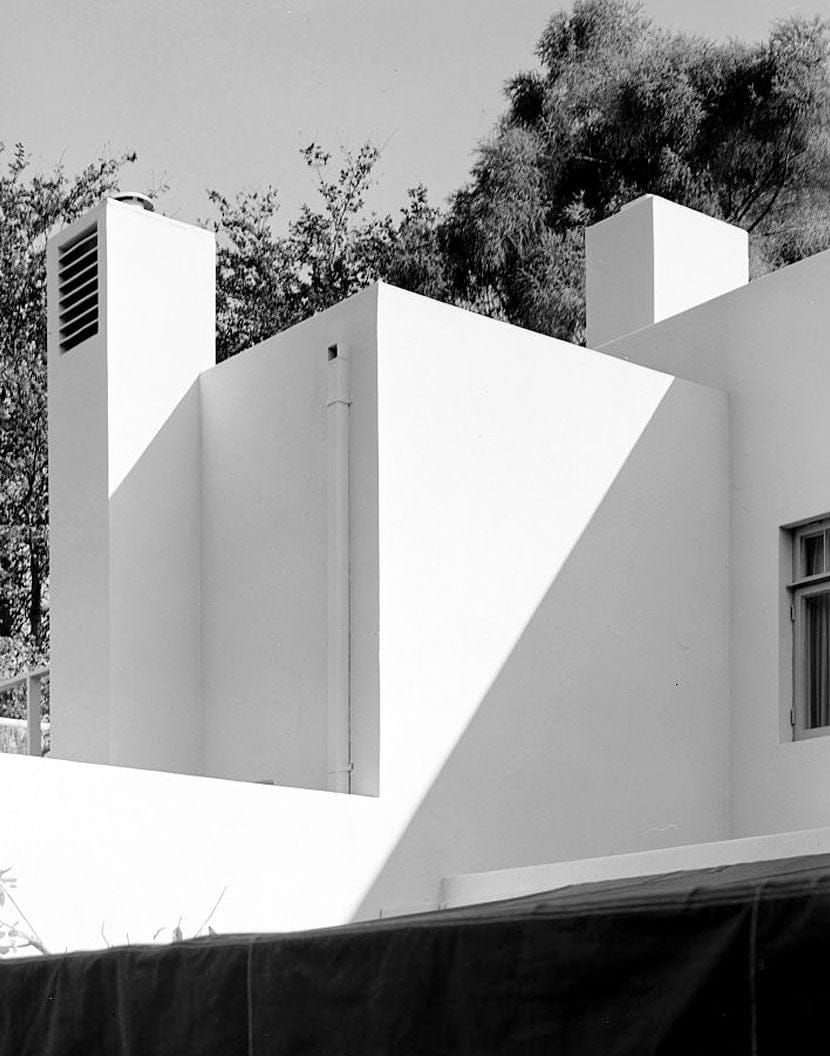
Gill stripped the California house down to plain white walls, flat roofs and arches cut clean into stucco. He called ornament a dust trap and left shadow, vines and sun to decorate the surface.

He tested tilt-slab concrete, casting walls flat on the ground and lifting them into place. Inside, corners were rounded, baseboards sat flush and doors had no trim, so rooms could be cleaned with a hose and a mop.

Most of the work stands in San Diego and Los Angeles County: houses, churches, schools and workers’ cottages. Some of the best houses were demolished before their value was widely recognized.
La Jolla Woman’s Club (1914)

Concrete walls cast flat on site and tilted up into place. A long arcade on the garden side and a meeting hall with no applied ornament at all.

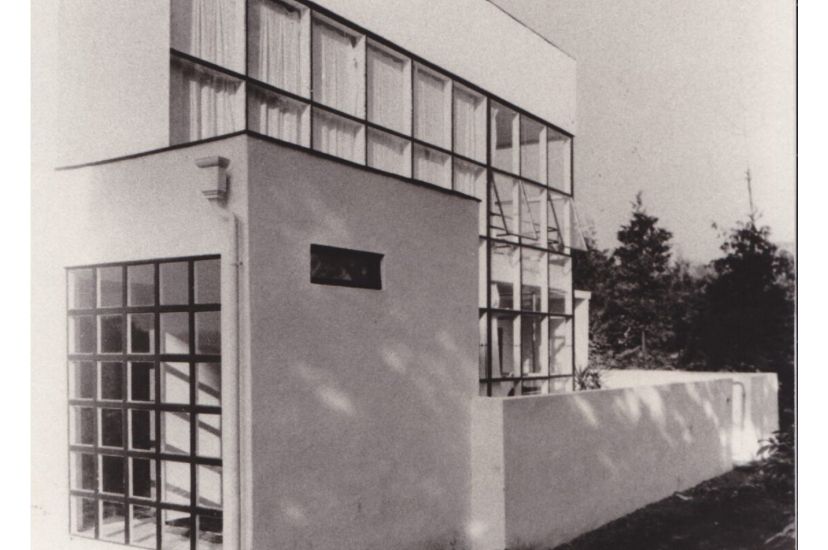
Cubic house with steel windows
Dodge House film, study copy
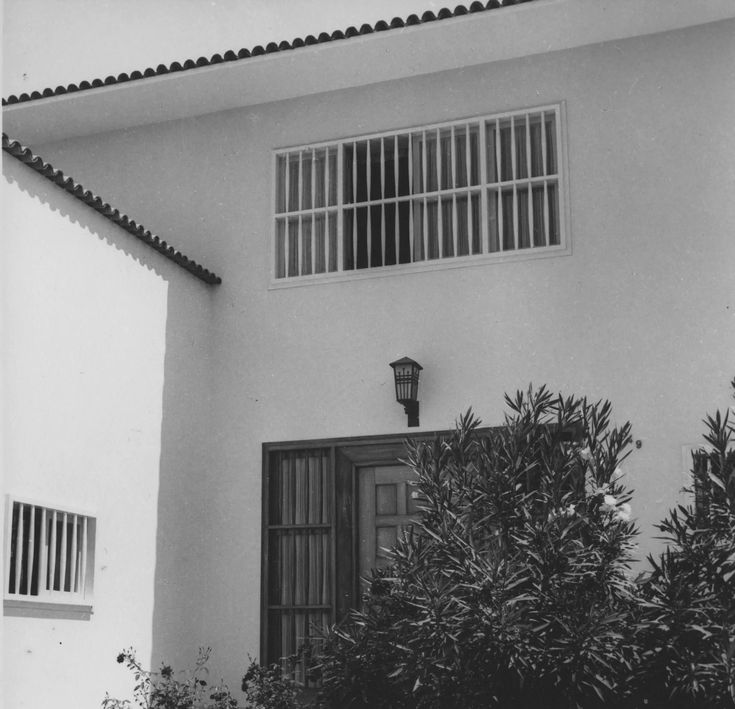
White wall, grilled window and lamp
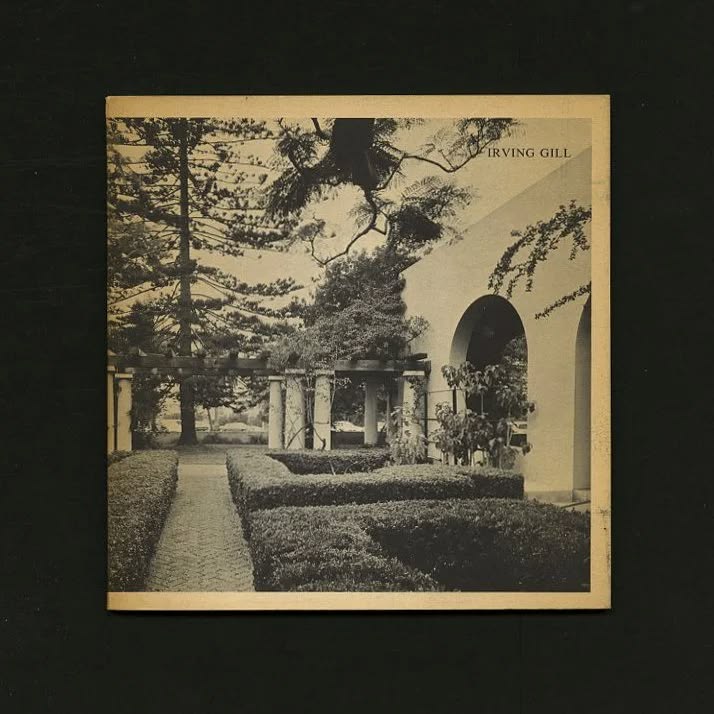
Printed photograph of an arcade and garden

Ellen Browning Scripps House (1916)

A reinforced concrete house on the La Jolla shore. The site later became home to the Museum of Contemporary Art San Diego.

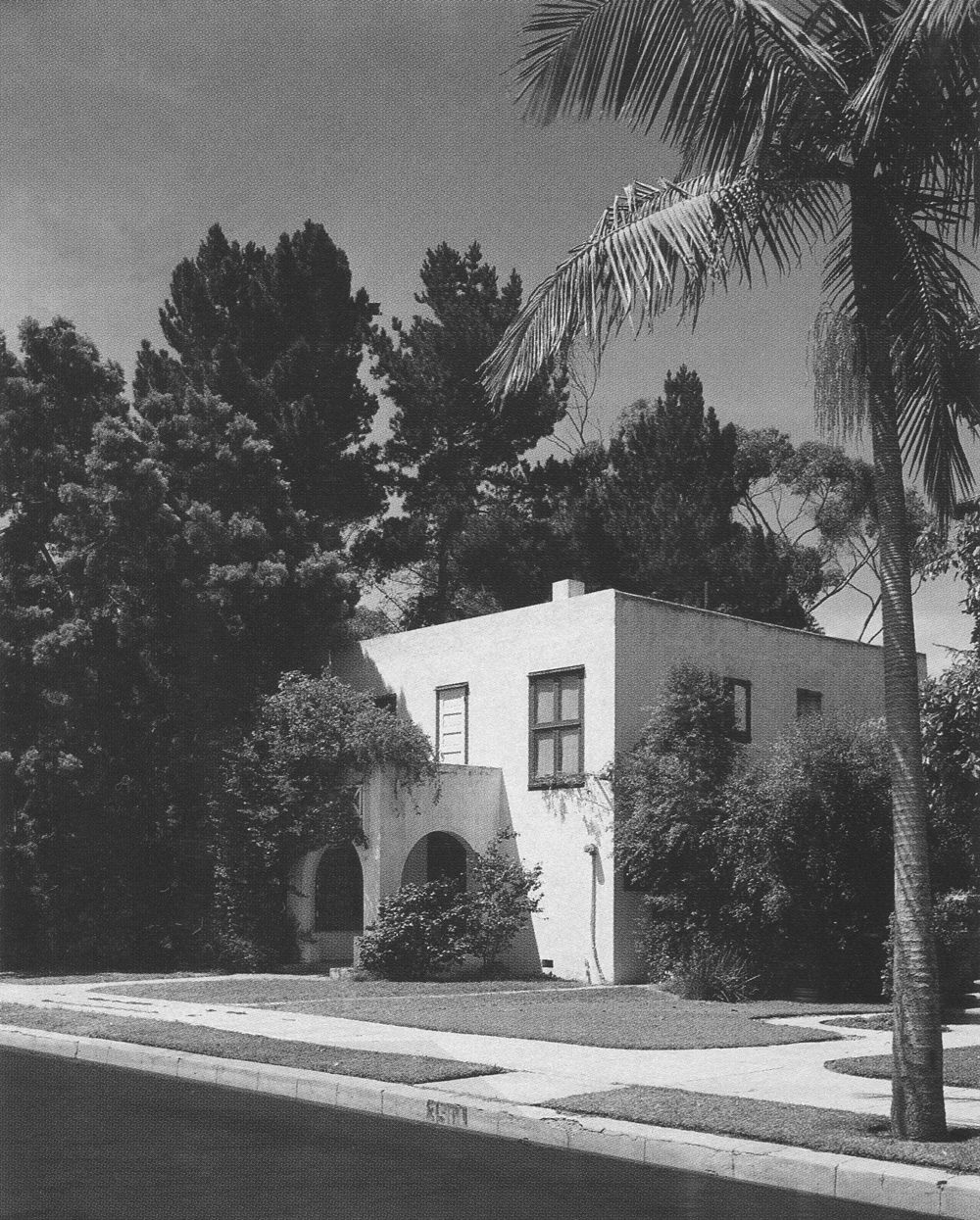
White stucco house behind palms

Horatio West Court (1919)

Four two-story units in Santa Monica set around a shared garden. Flat roofs, plain cube volumes and upper windows turned toward the ocean.

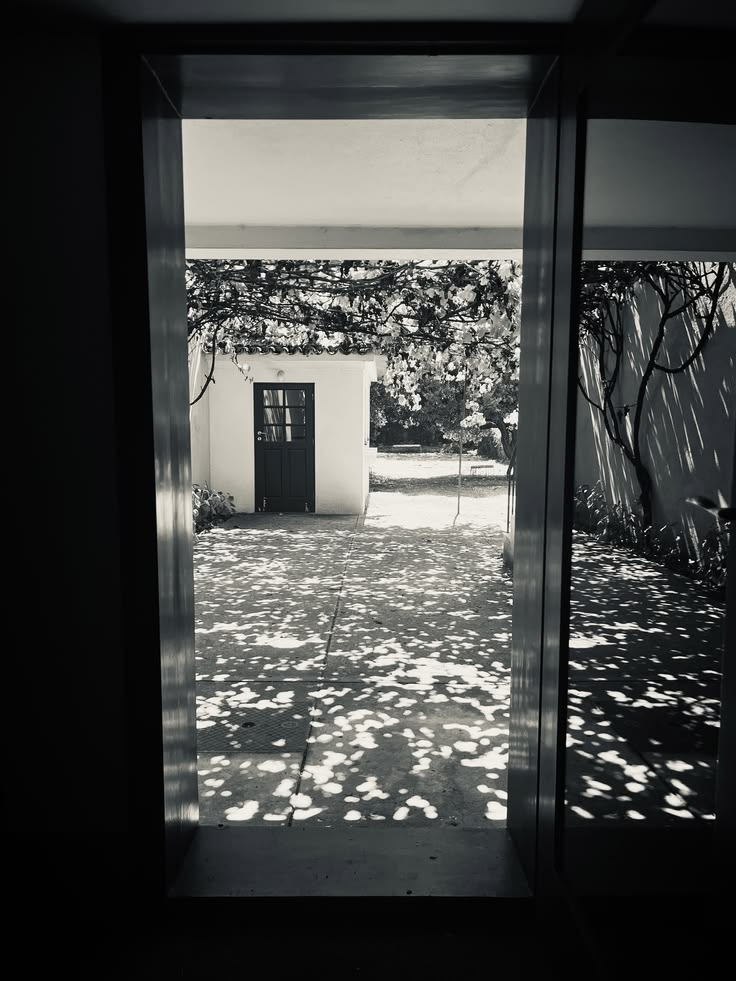
Garden seen through a dark doorway
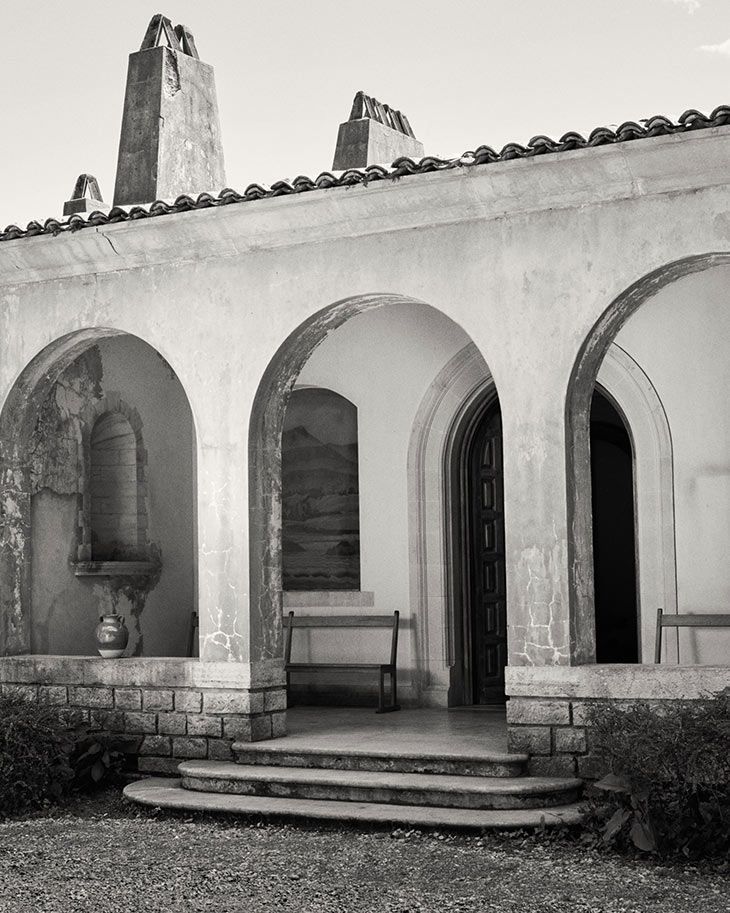
Stucco arcade with tile roof and chimneys
White volumes and chimneys in sun
[PDF]Notes on the Tilt-Slab Method

Dodge House (1916)

West Hollywood. White stucco volumes around a garden court, deep window reveals and plain interiors. Demolished in 1970.

Frank Gehry
Sculptural Form
Keep scrolling for the next page
Next