Context
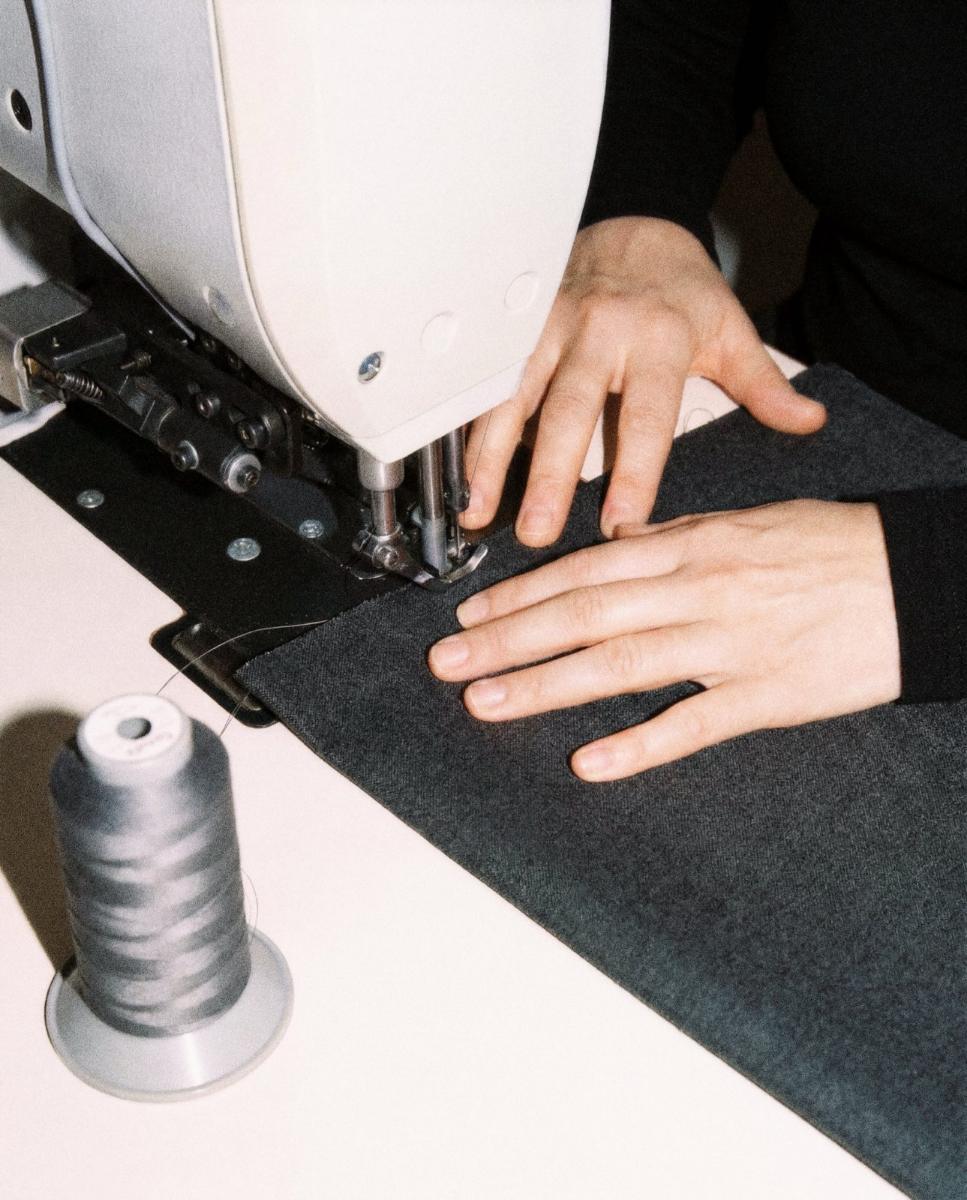
Vora makes workwear for kitchens, workshops and warehouses. Every garment carries a lifetime repair promise: send it back and it is mended, not replaced. The company was selling through procurement catalogues where it looked like every other supplier, with the repair promise buried on page nine of a price list.

Insight
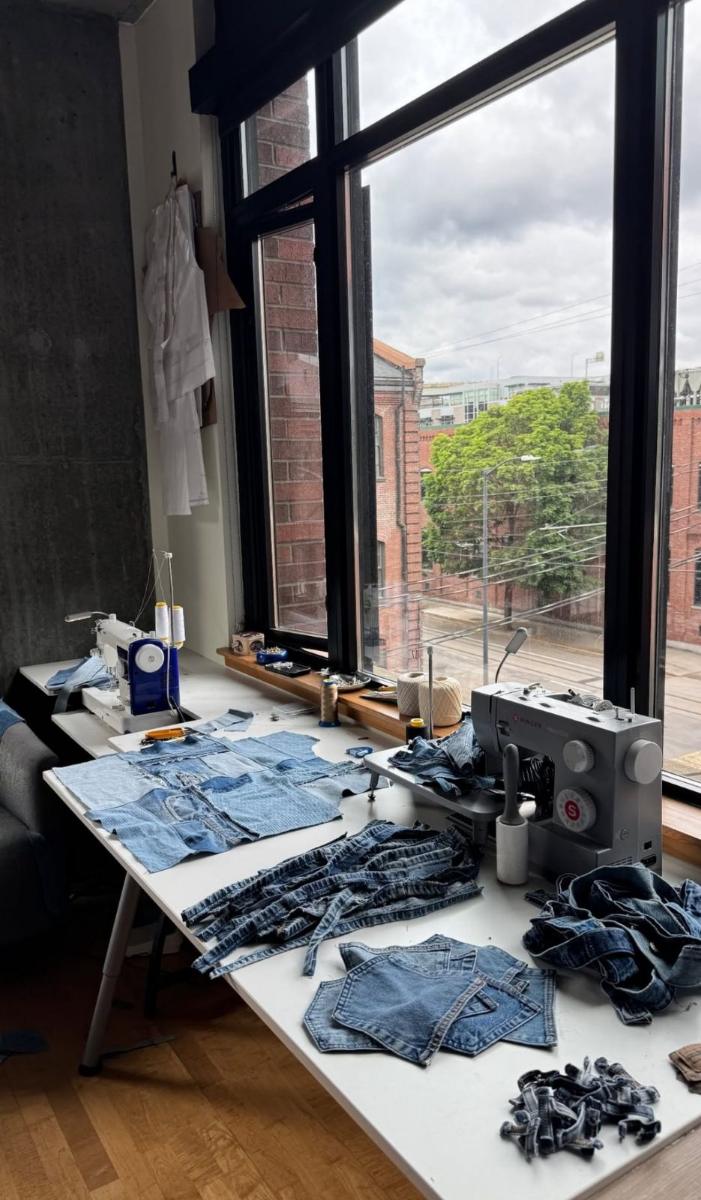
Buyers compared price per unit. Workers compared comfort. Nobody compared how long a jacket lasted, because nobody could see it. A repaired garment is proof, and every one of them comes back with a record of what was fixed, when and by whom.

Idea
We made the repair visible. Every garment has a stitched label with a grid of empty boxes; each repair gets a stamp and a date. The identity is built from that grid: the wordmark sits in a box, the catalogue is a ledger, the website counts repairs in real time. A worn jacket with a full label is the best advert the company has.
Application
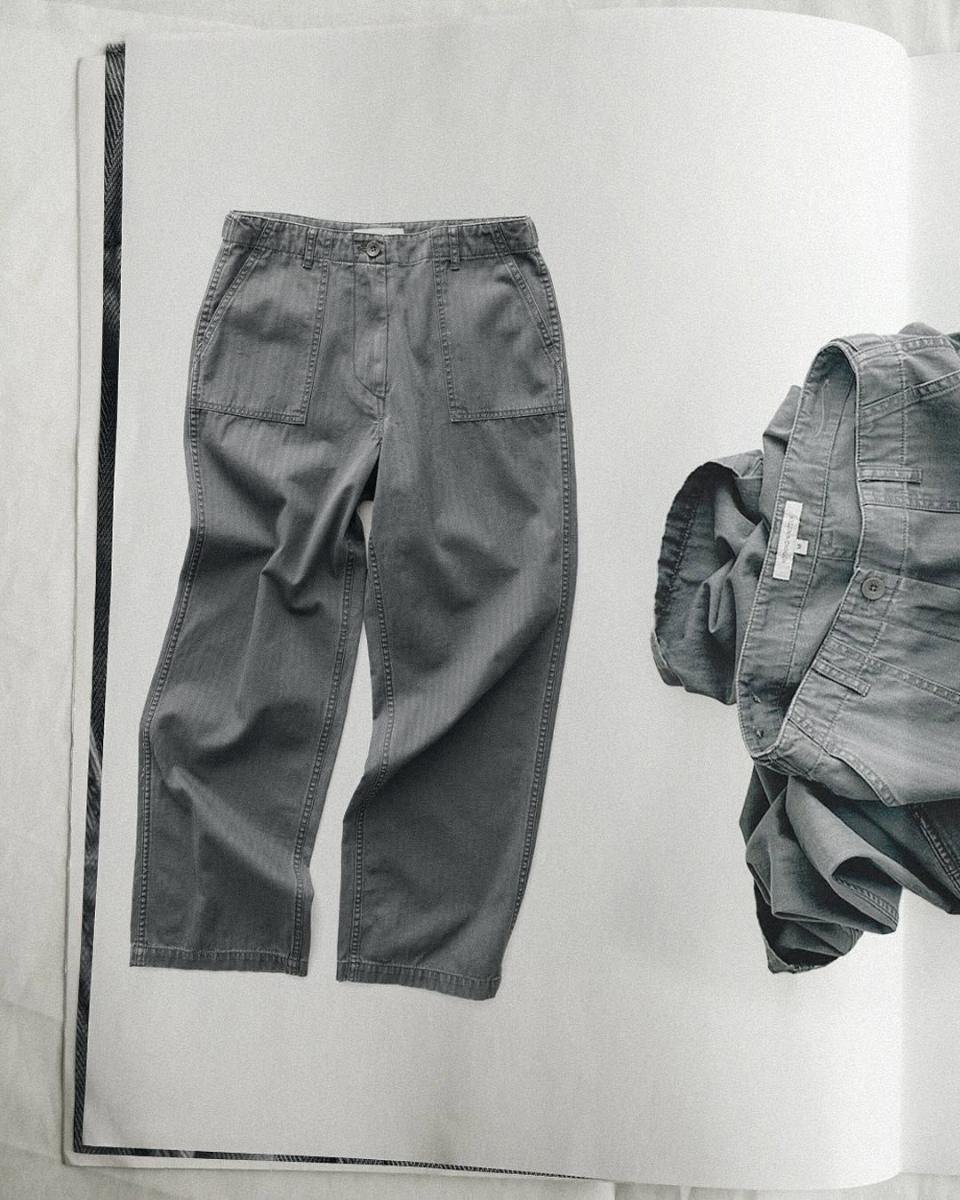
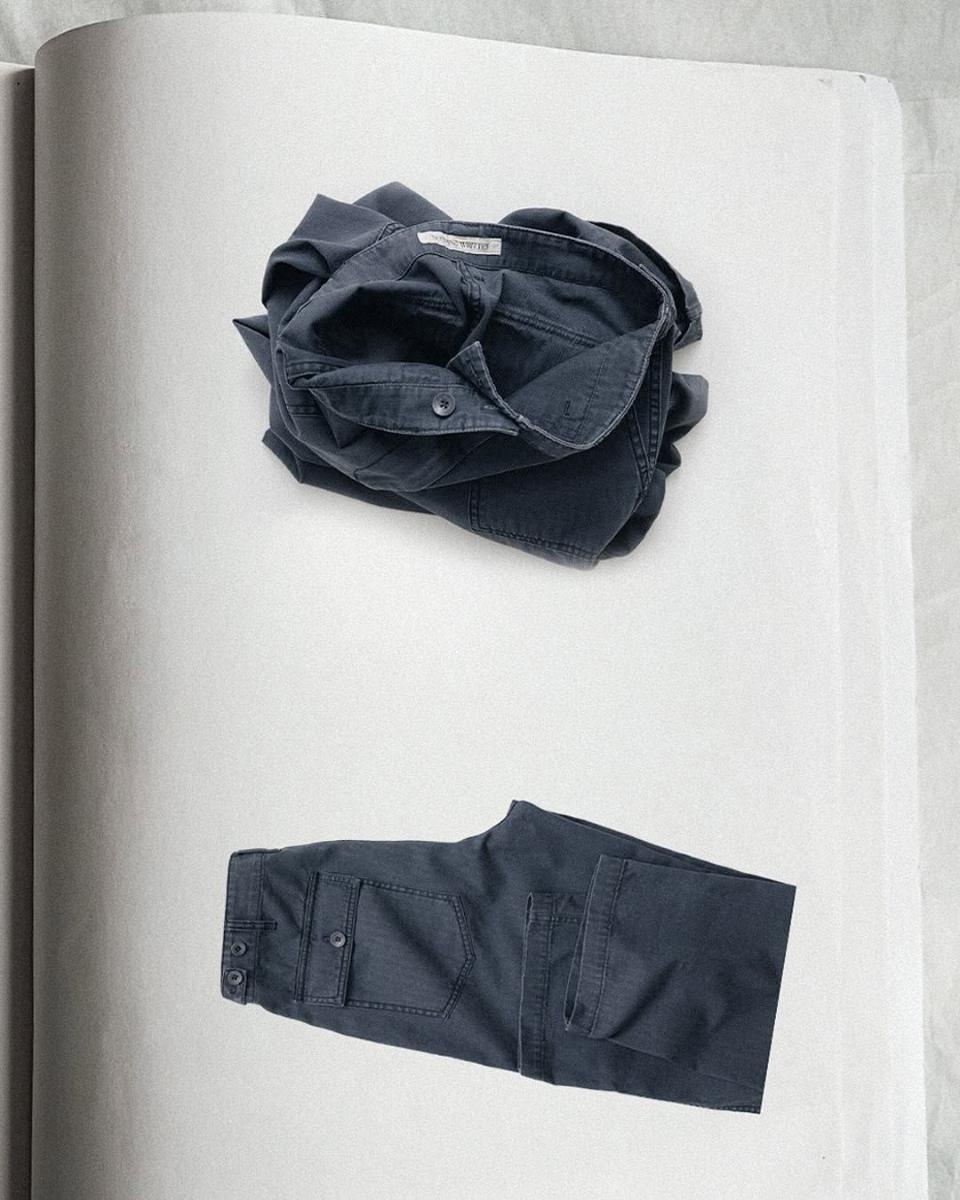
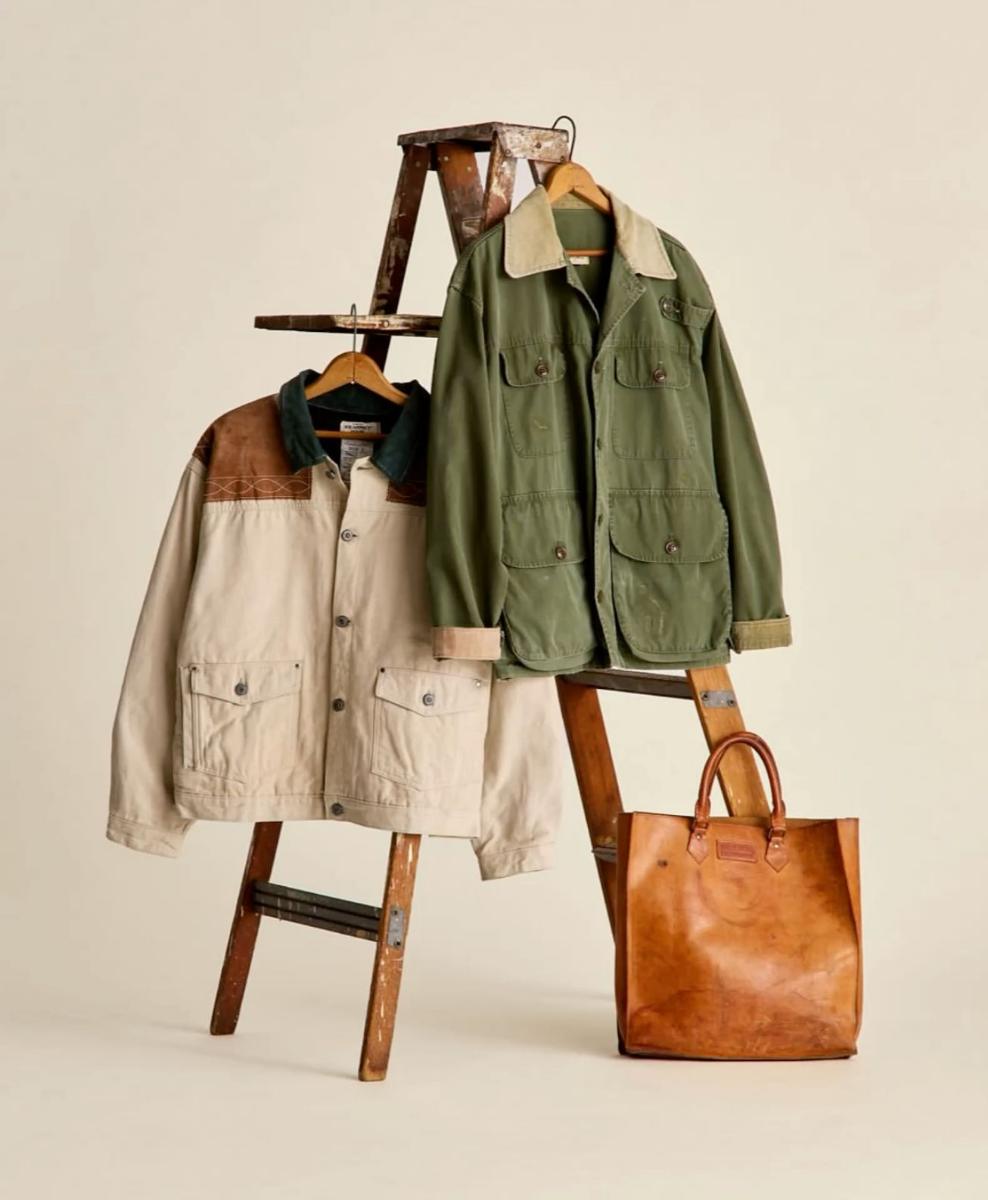
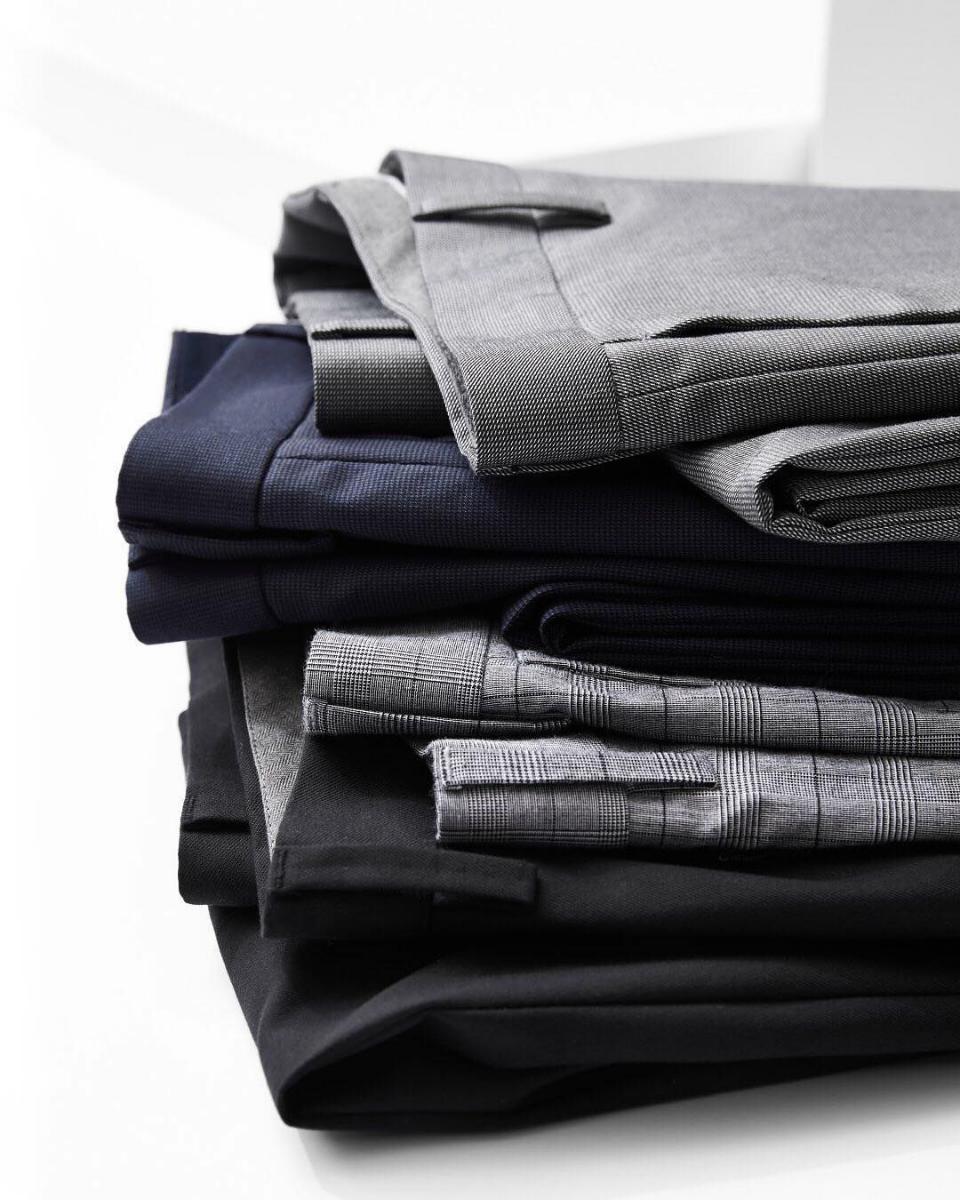
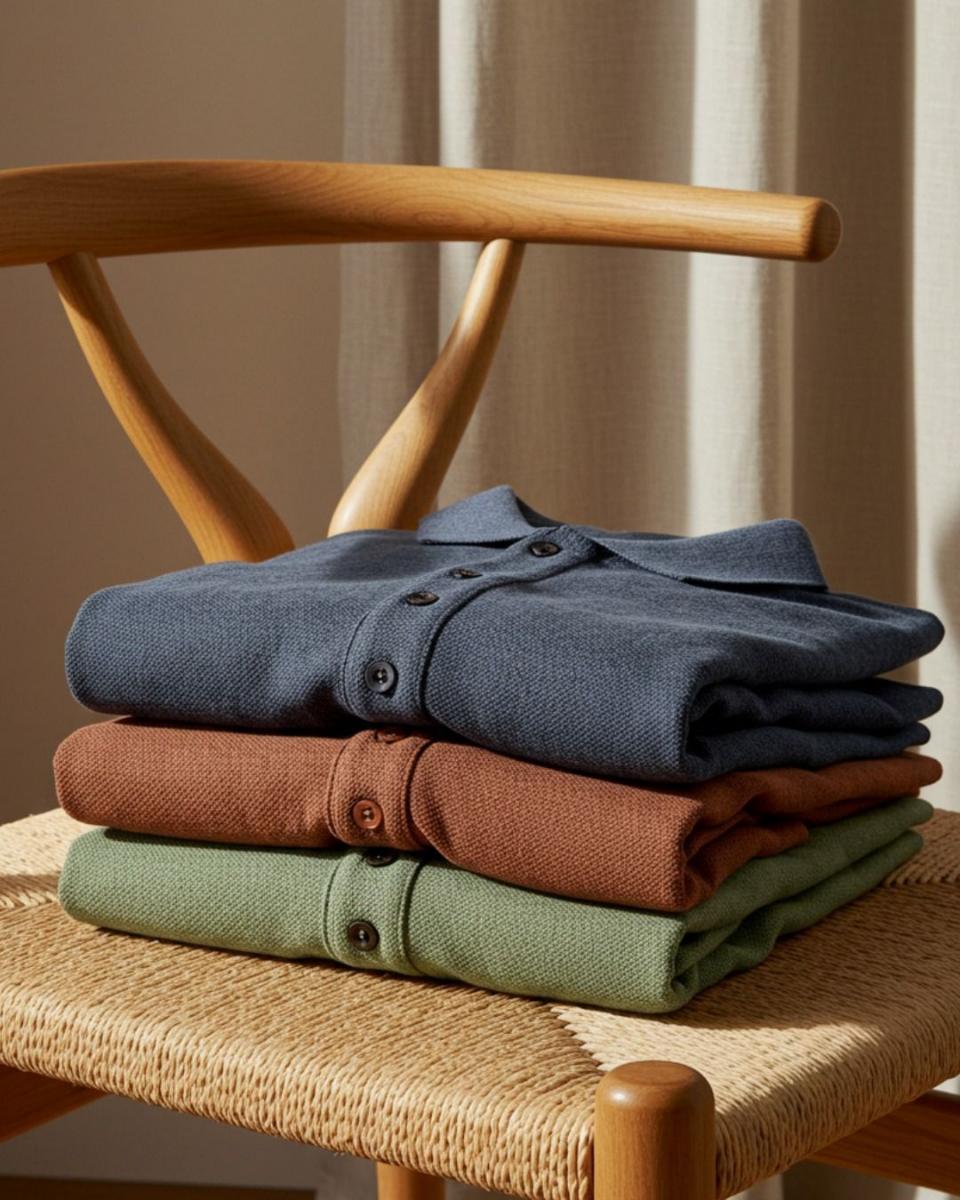
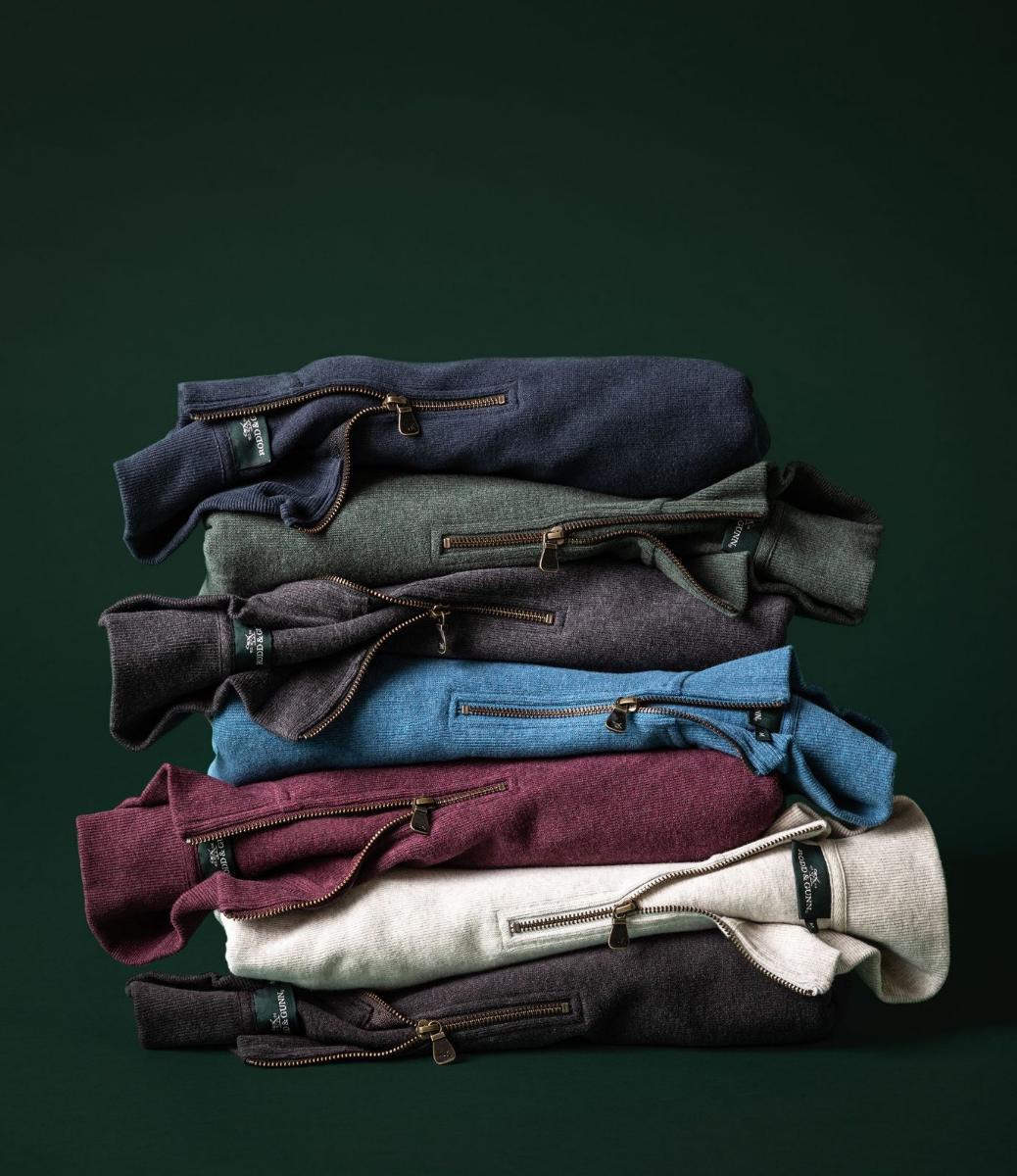
Garment labels, repair stamps, packaging, the procurement catalogue, a repair tracking page, van livery, and a returns kit sent to every customer site. Photography shows garments on the job, never on a model, and always after at least one repair. The catalogue lists the average number of repairs per garment beside the unit price, so buyers can compare them.




Impact
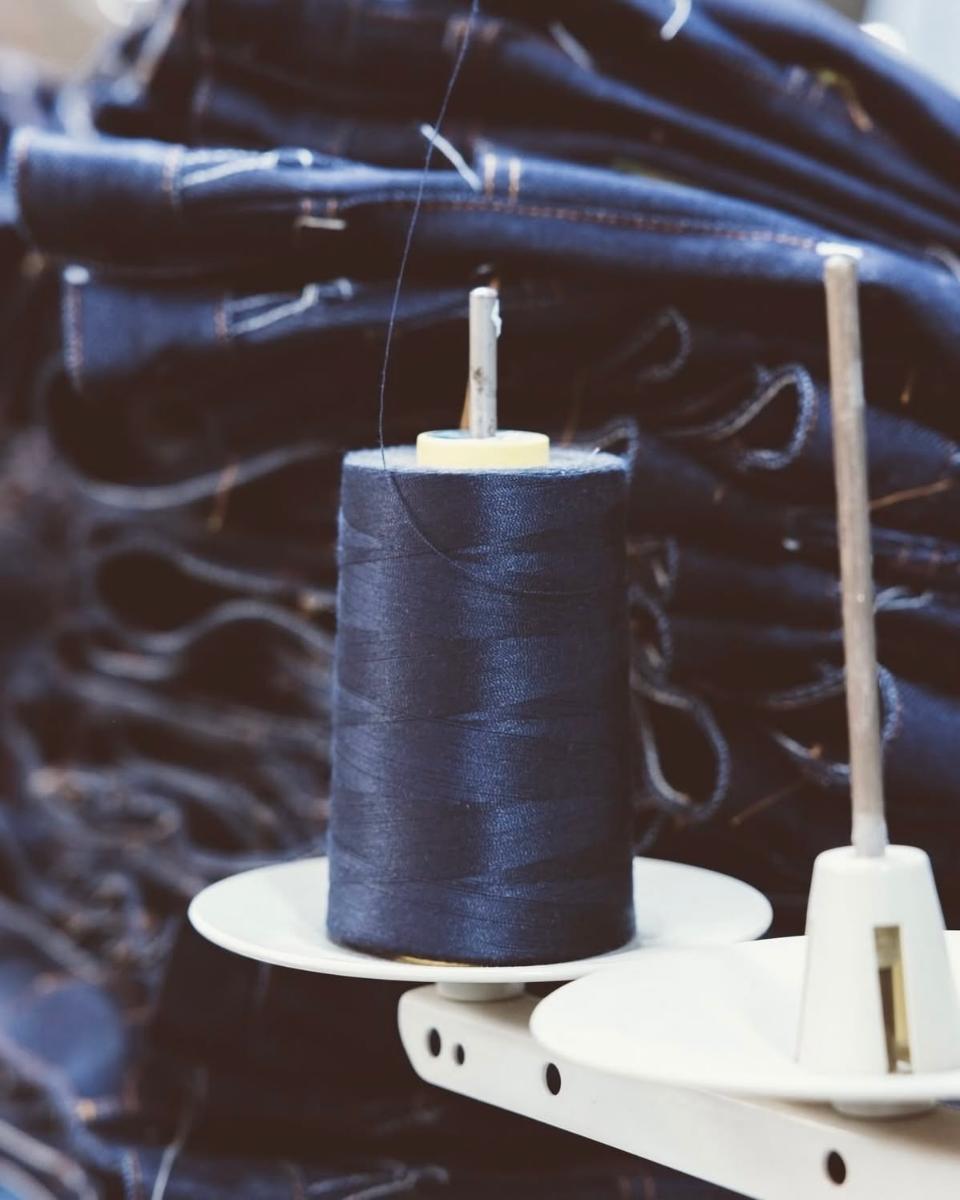
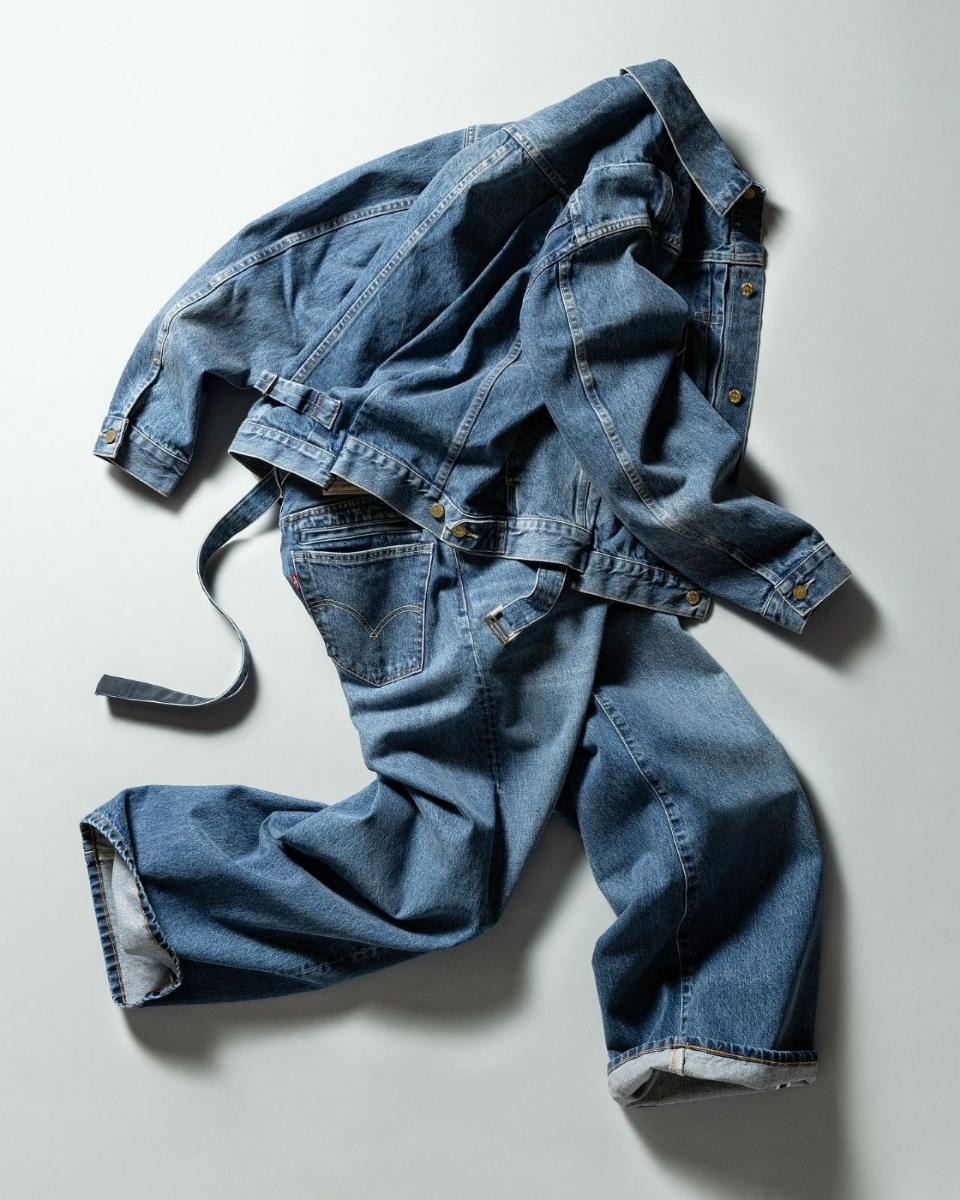
Repair requests doubled in the first year, and so did contract renewals. Two procurement teams asked for the repair counts to be added to their tender scoring, which is now standard in Vora’s bids.
Labels still show every box.