Louis Kahn

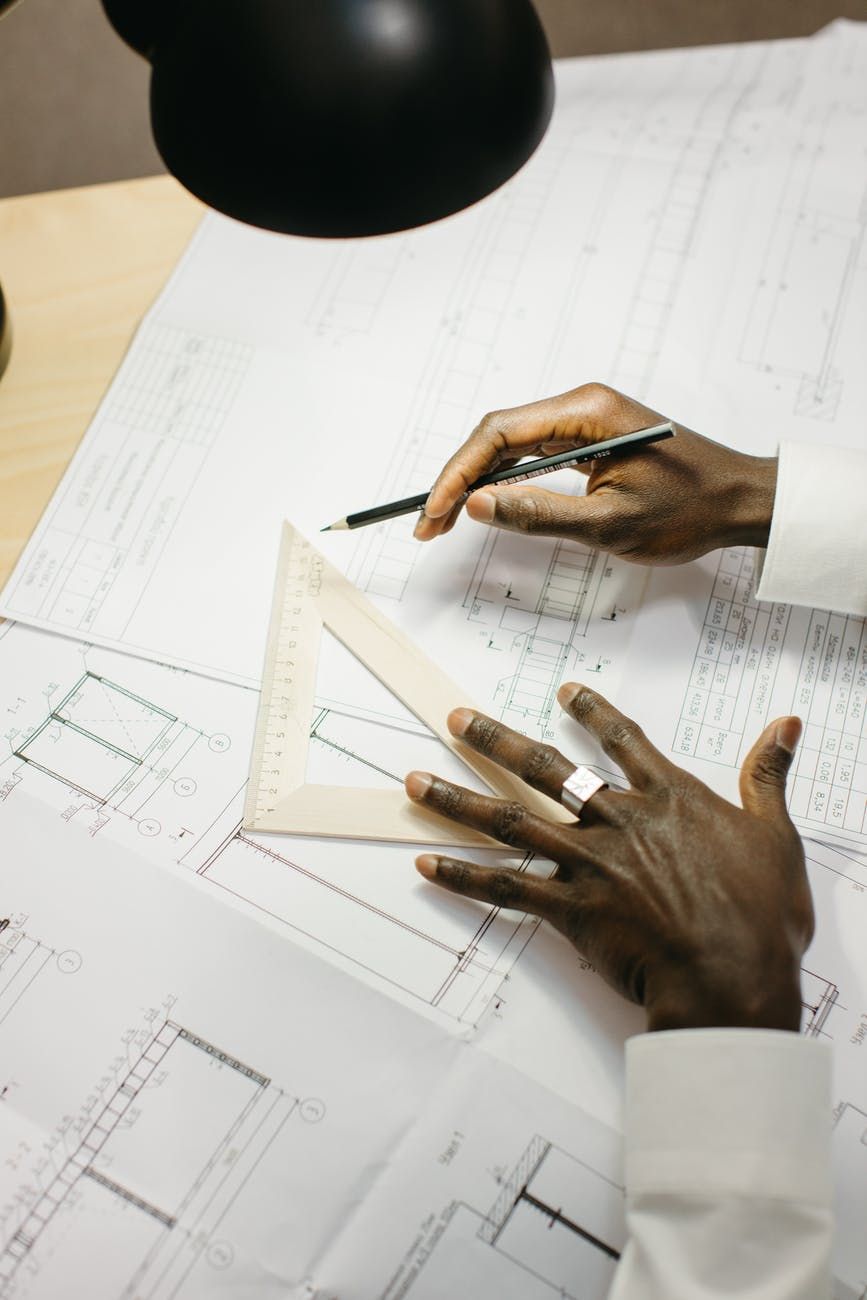
Triangle and pencil under a desk lamp
Born:
February 20, 1901 — Kuressaare, Estonia
Died:
March 17, 1974 — New York City, US (age 73)

Kahn divided buildings into served spaces, the rooms where people work and gather, and servant spaces, the shafts and stairs that carry air, water and people to them. The split became visible structure.

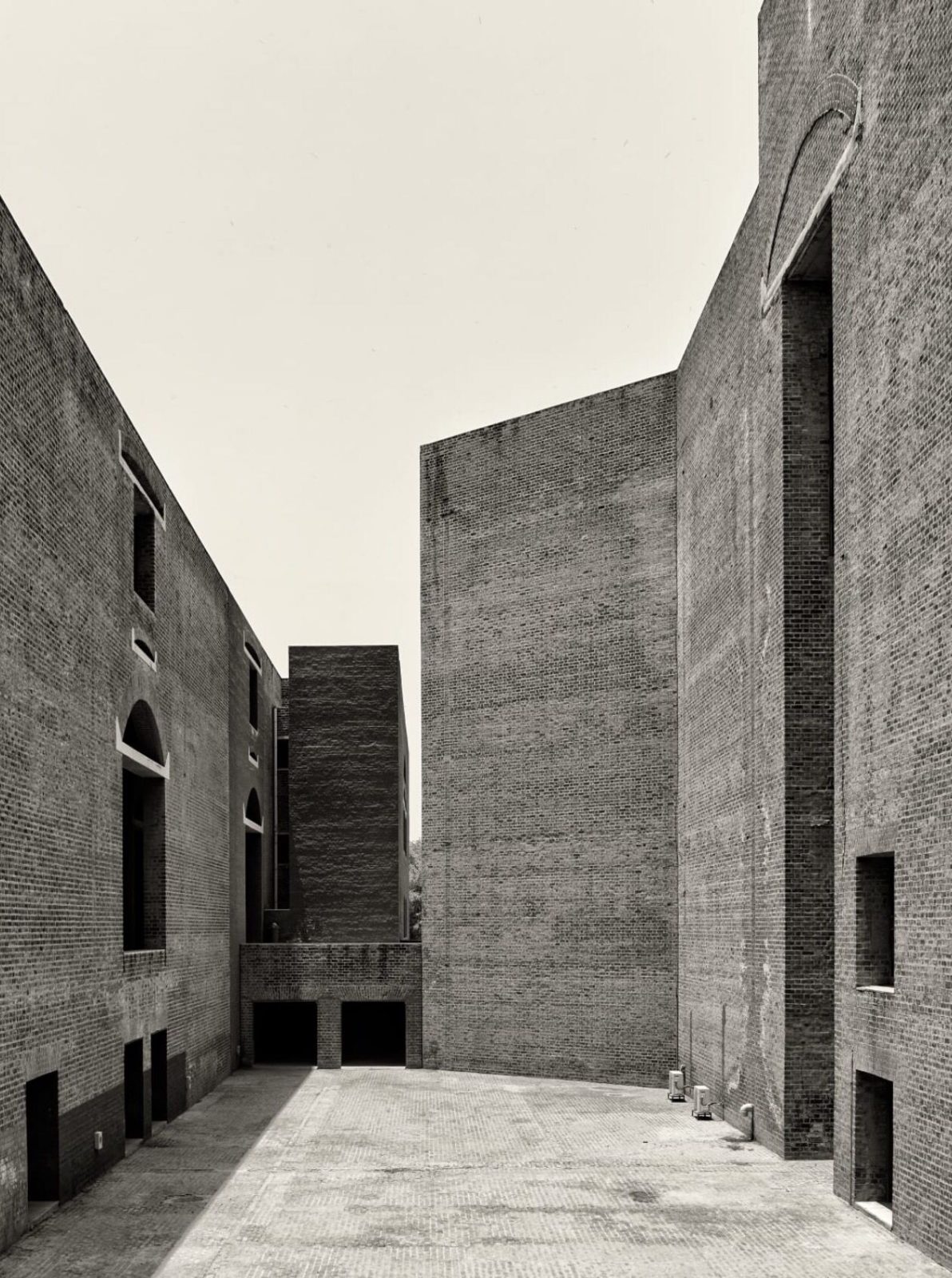
He worked in brick and concrete with exact joints and left the formwork marks in place. Light came in through cut openings, light wells and vaults.

He built little until his fifties. Most of the major work dates from the last fifteen years of his life.
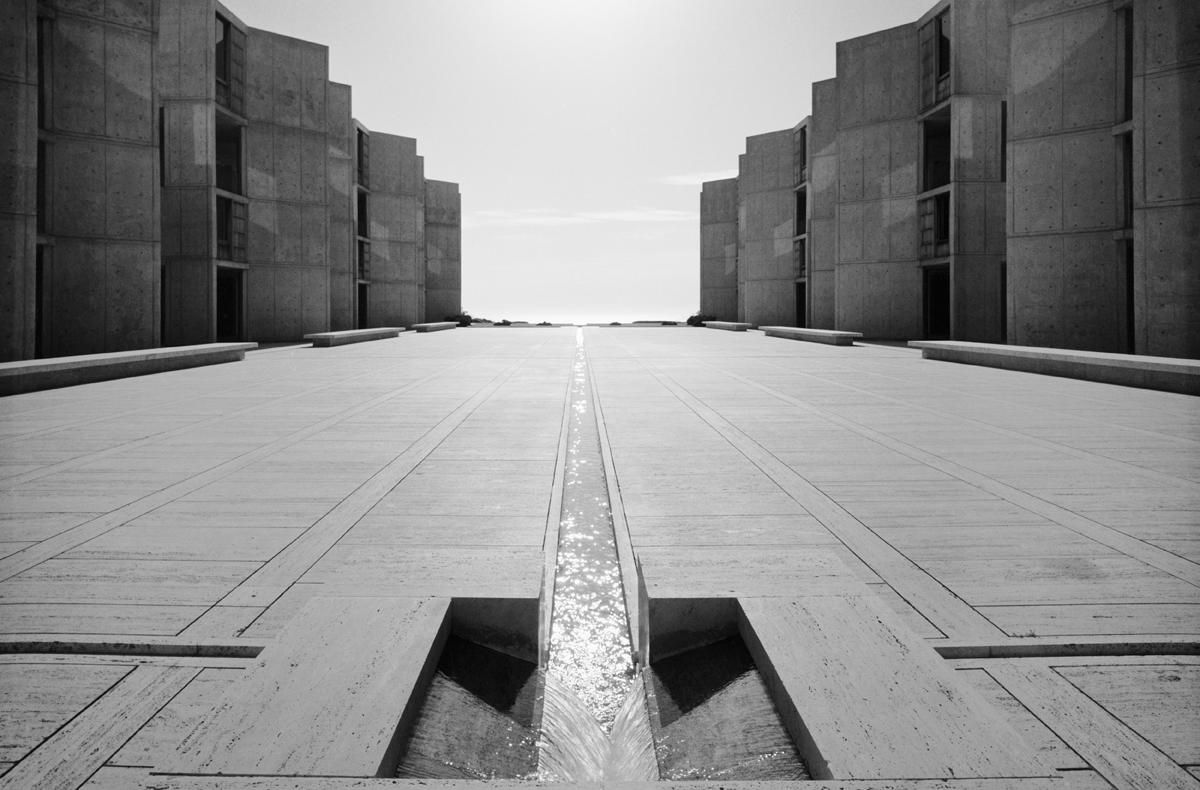
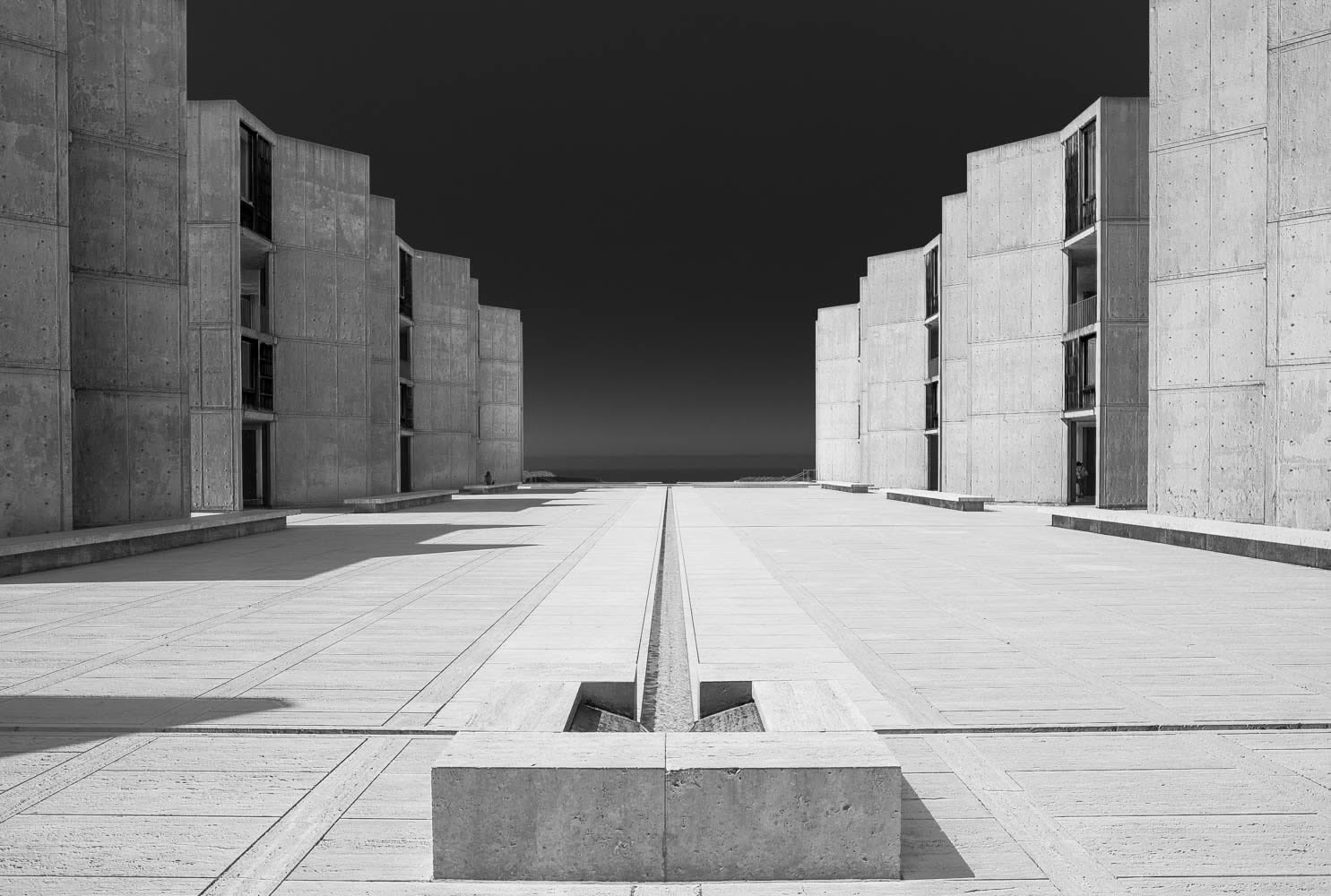
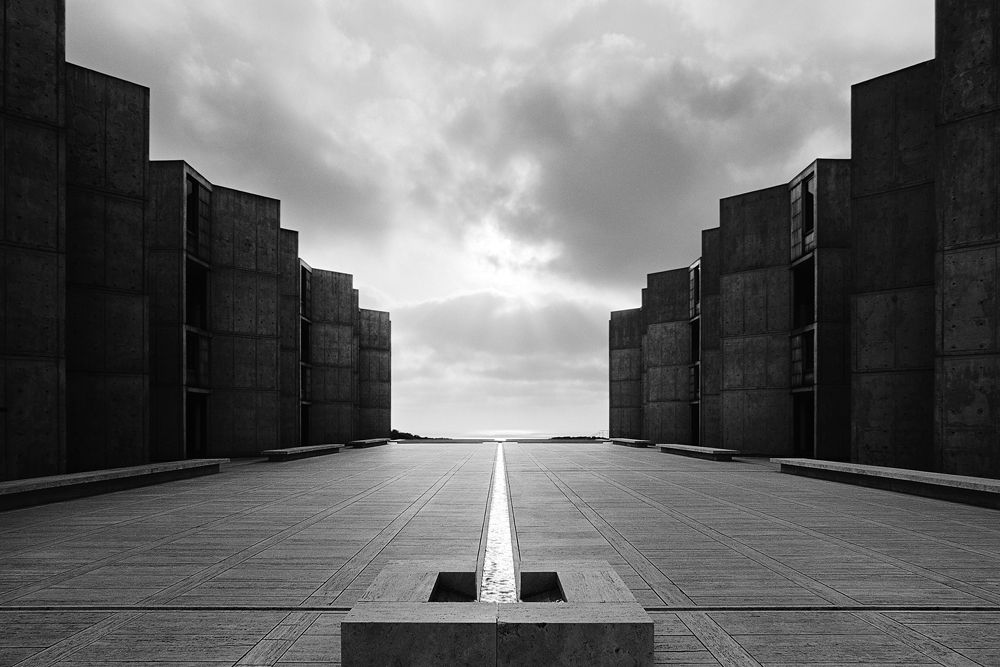
Salk Institute, water channel and fountain
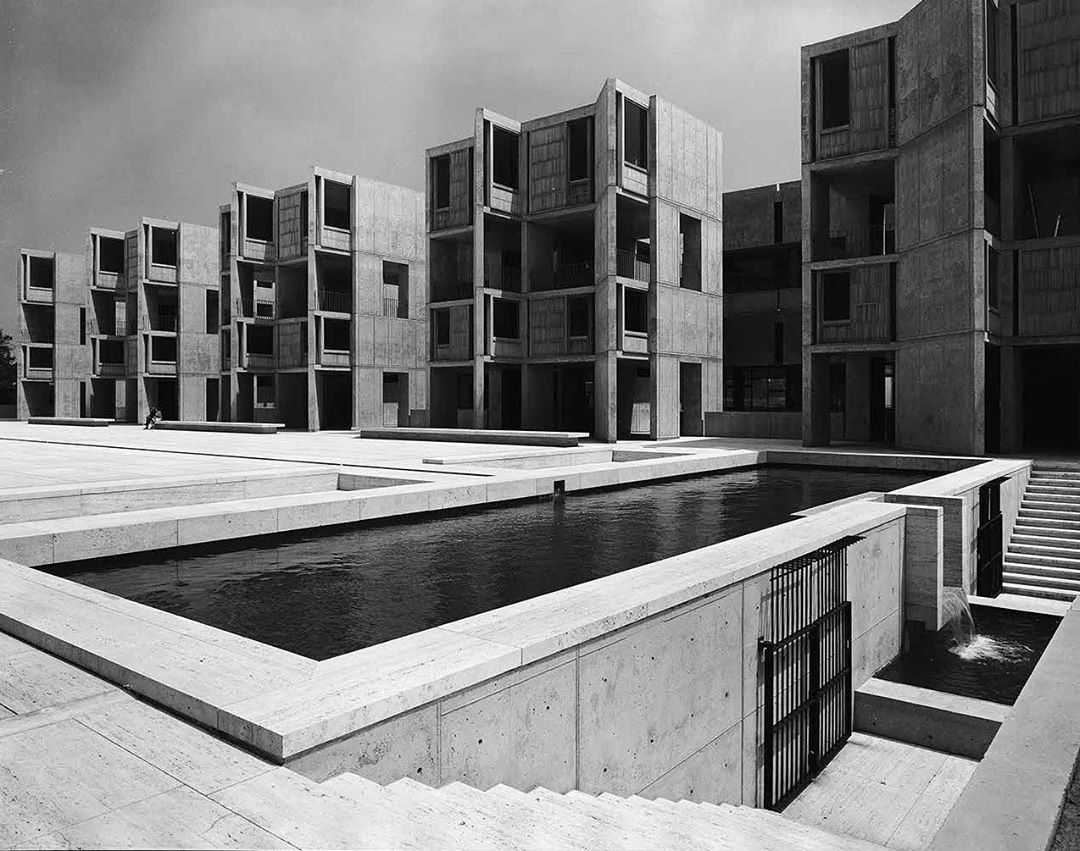
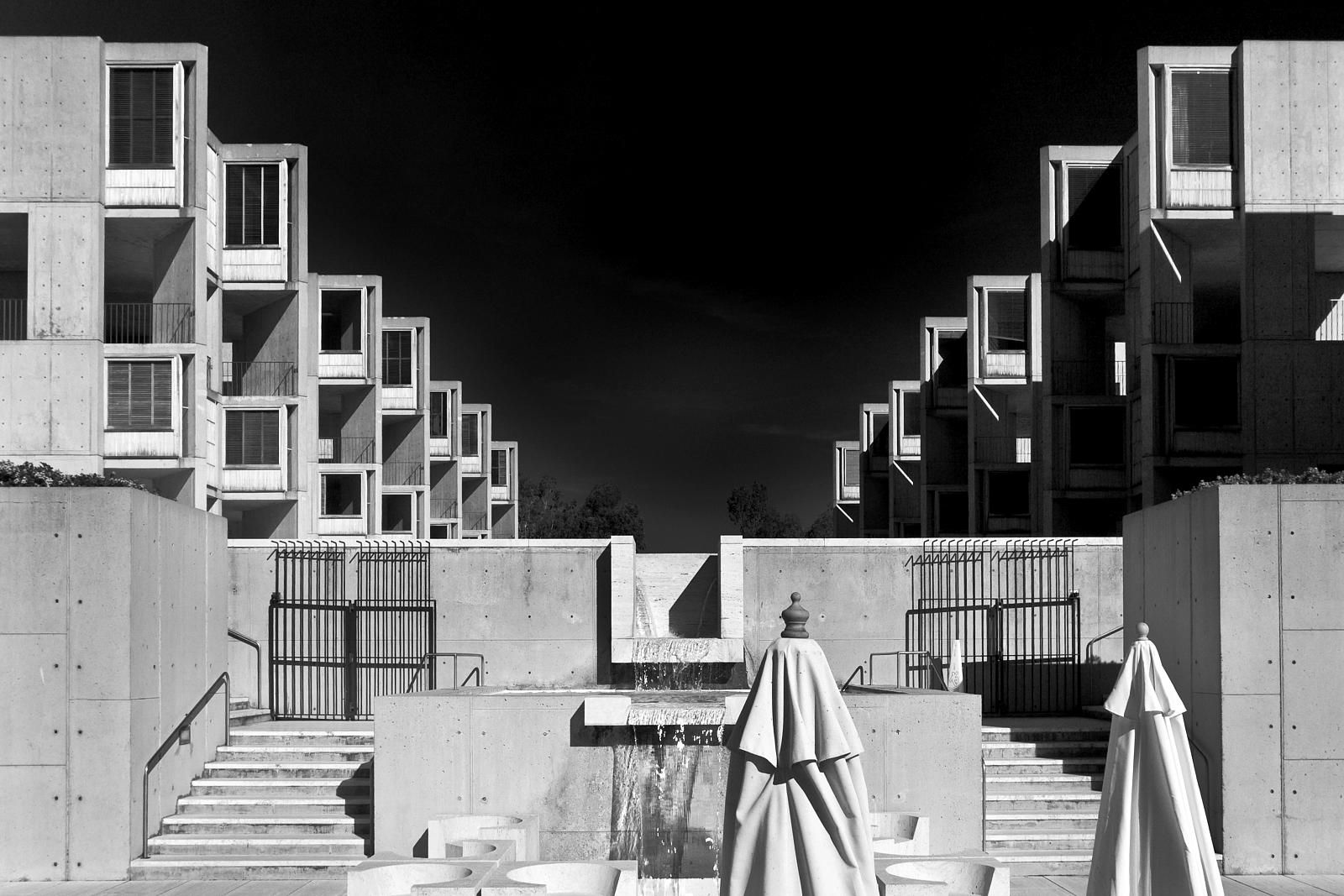
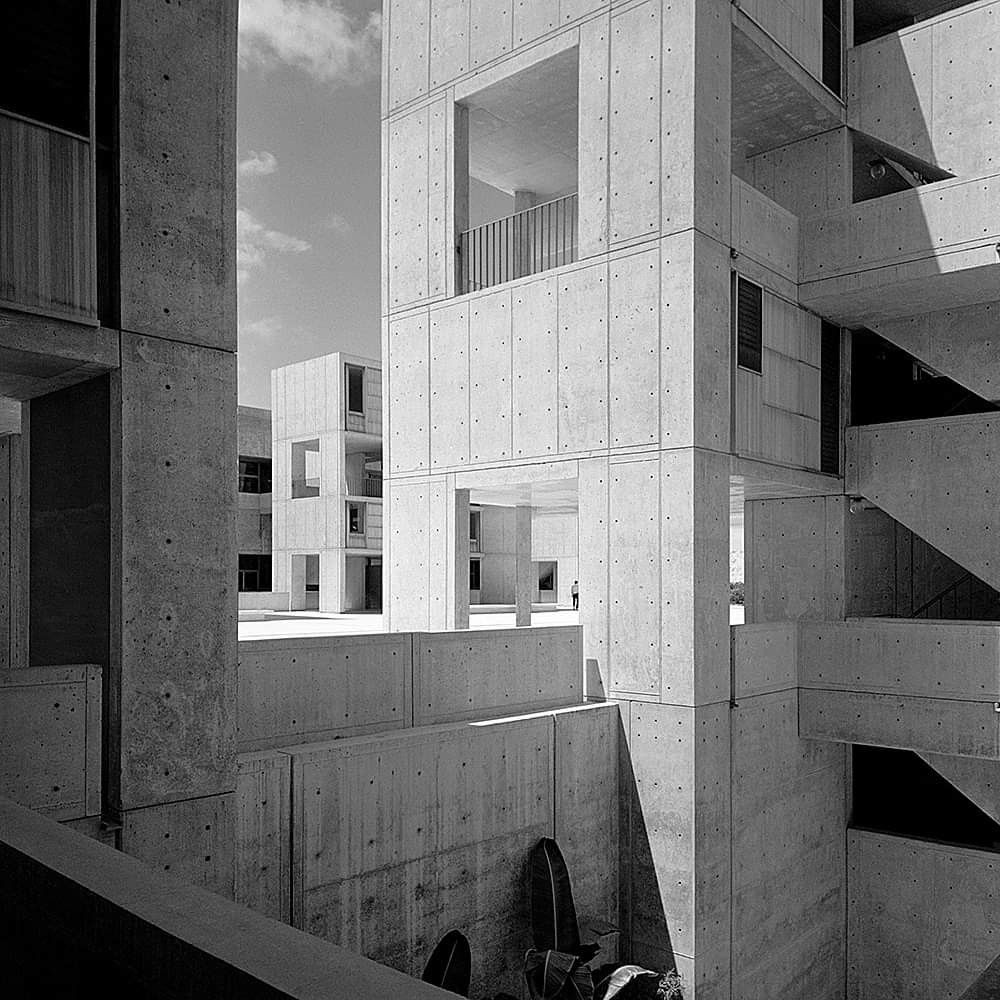
Salk Institute, concrete study towers

Salk Institute (1965)

La Jolla, California. Two mirrored laboratory blocks and a travertine court with a single water channel pointing to the Pacific.

Studio Tapes
Part 2. Light and Vault
Placeholder recording for this study copy. A short room tone stands in for the recorded talk the card would hold.
0:25
Studio Tapes
Part 1. Served and Servant
Placeholder recording for this study copy. Twenty-five seconds of quiet room tone.
0:25
Brick walls and a narrow court
Salk Institute court and water channel
Salk Institute, sunken court and study towers
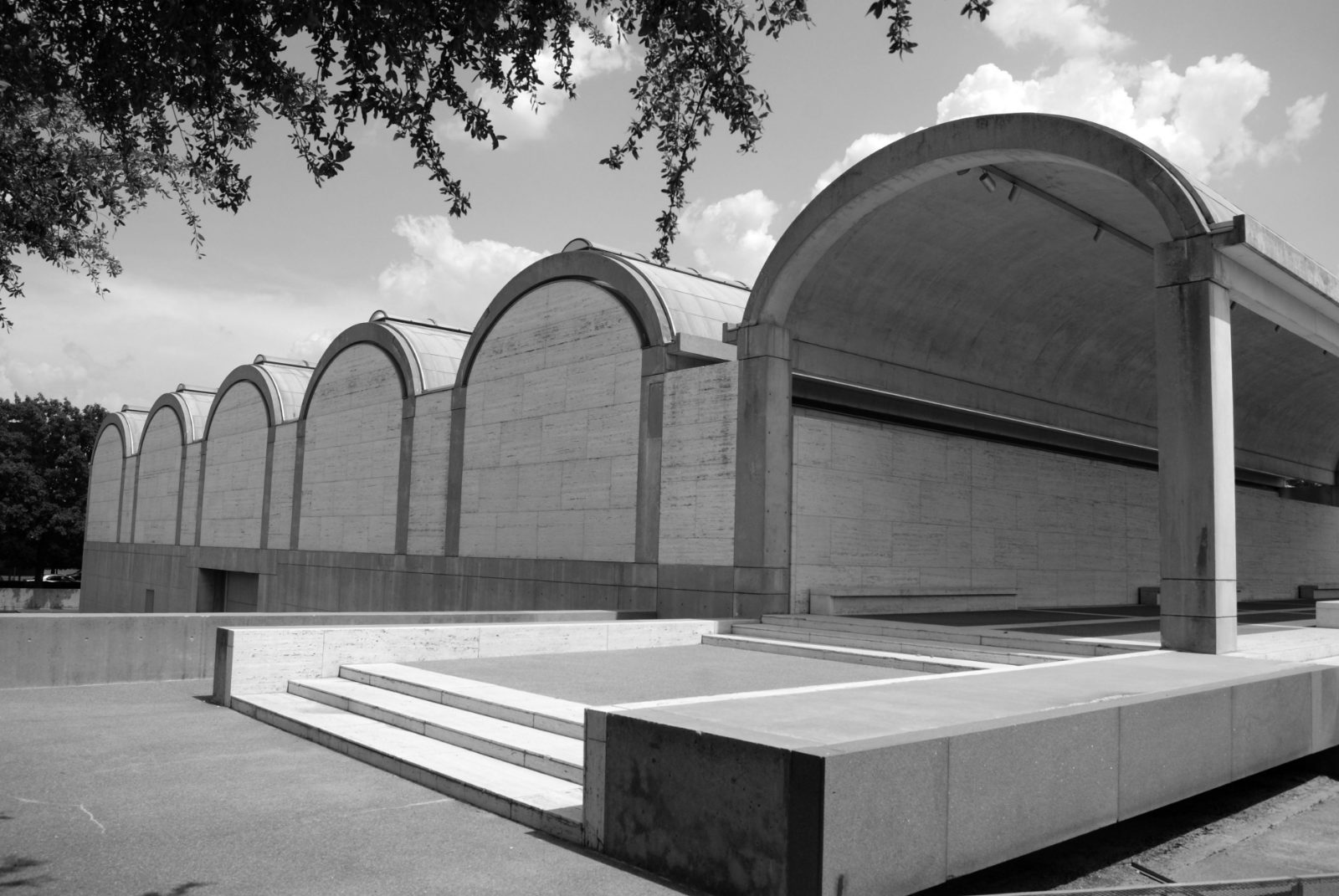
Kimbell Art Museum, cycloid vaults
Salk Institute, the court toward the Pacific

Kimbell Art Museum (1972)

Fort Worth, Texas. Cycloid concrete vaults split by narrow skylights, with metal reflectors spreading daylight across the galleries.

Salk Institute, stairs to the lower court
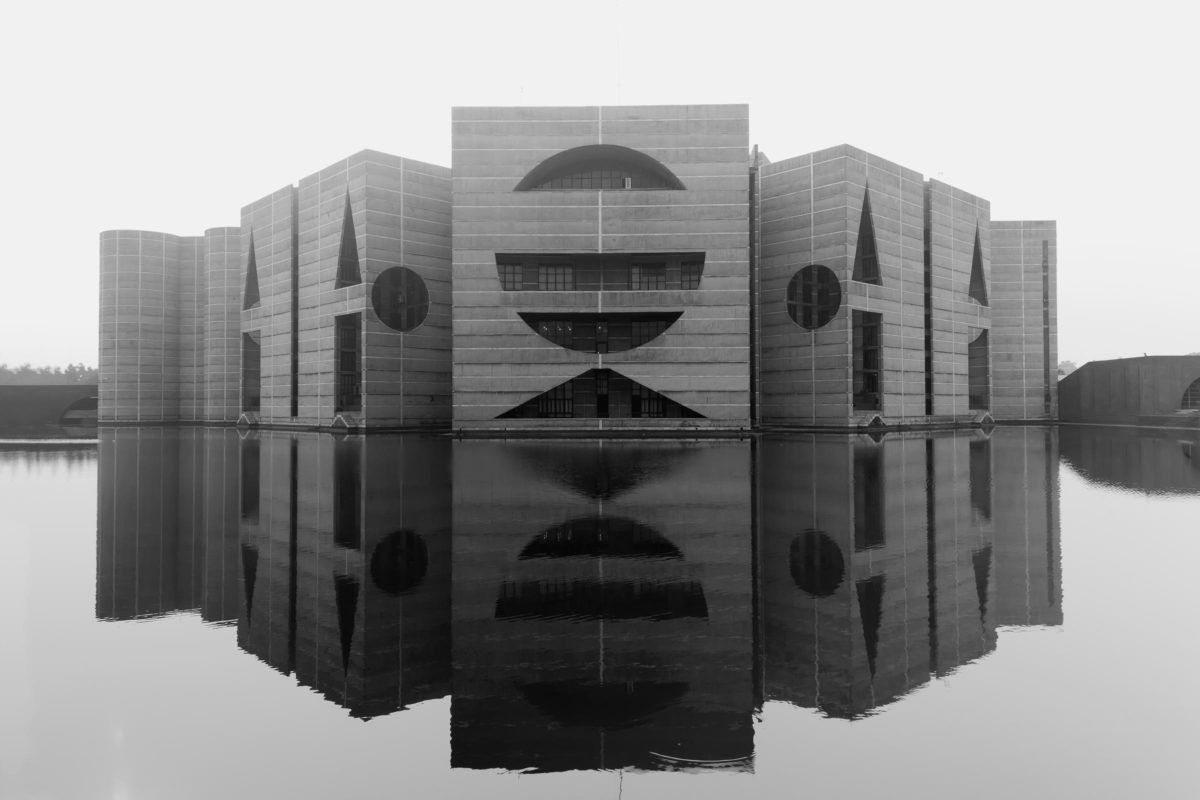
National Assembly, Dhaka, reflected in the lake
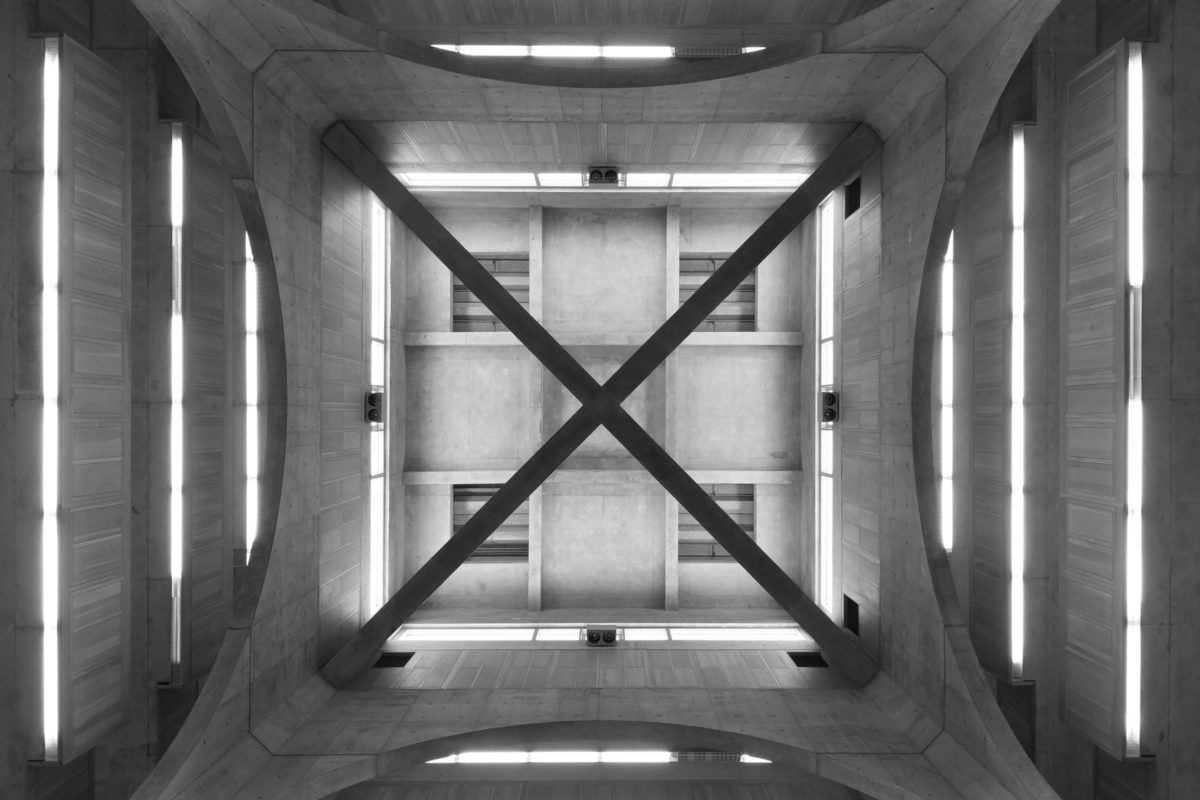
Concrete ceiling cross and light slots
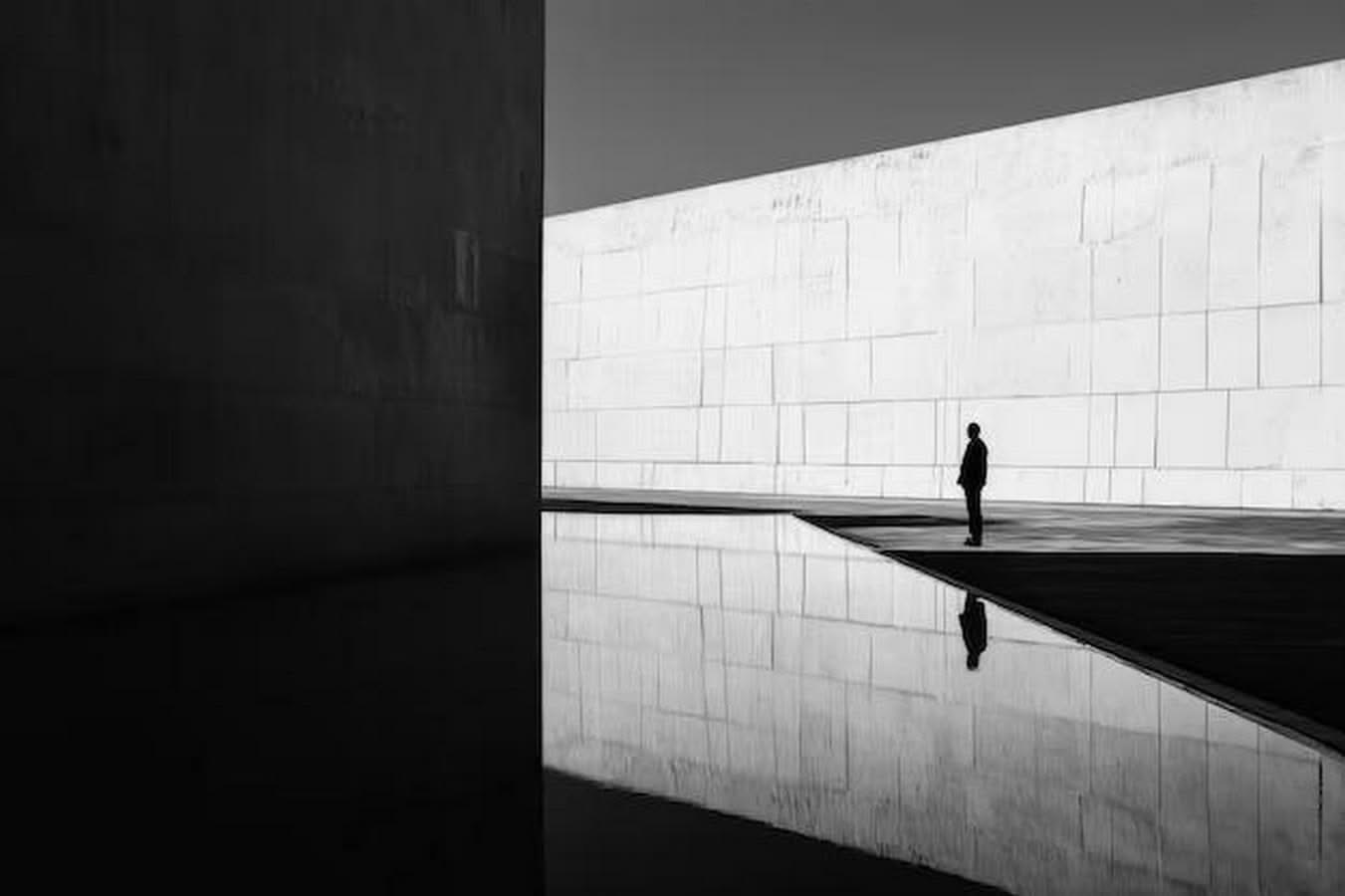
Travertine wall beside a reflecting pool

National Assembly, Dhaka (1982)

A cluster of concrete volumes with circles and triangles cut into the walls, set in an artificial lake. Completed after his death, in Bangladesh.

I. M. Pei
Monumental Order
Keep scrolling for the next page
Next